August 12, 2026 — YouTube has announced significant updates to its YouTube Partner Program (YPP) that will take effect on February 1, 2027, marking the platform’s biggest overhaul of creator monetization policies since 2018. The company says the changes are designed to keep YPP at the forefront of the creator economy while rewarding active creators and supporting new ways to earn revenue.
According to YouTube, the platform currently supports more than 3 million creators through YPP and expects to pay creators even more in 2027 than it did in 2026. One of the most notable changes is the global expansion of Premium Lite, a lower-cost subscription option that offers ad-free, offline, and background viewing for most content. Revenue from Premium Lite subscriptions will be distributed through a dedicated creator revenue pool, providing additional earning opportunities beyond traditional advertising. YouTube noted that creators generally earn more from Premium subscribers than from users watching ads alone.
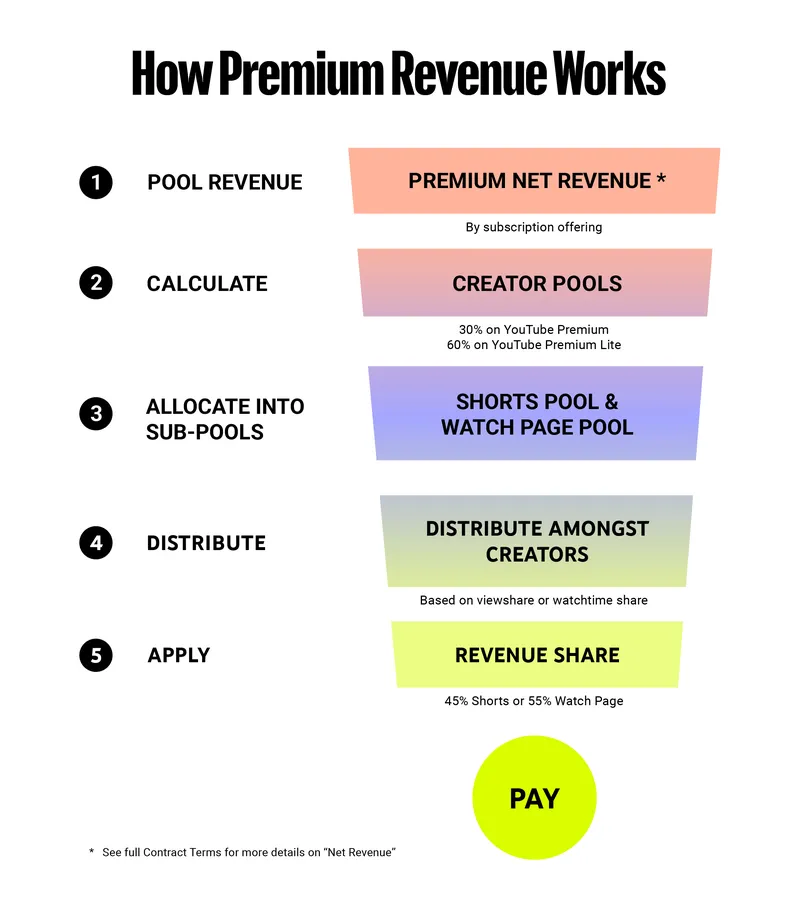
The company is also changing how revenue is shared for YouTube Shorts. Beginning in February 2027, creators will need to achieve 10 million qualified Shorts views within 90 days to remain eligible for Shorts advertising and subscription revenue sharing. Channels that fall below the threshold will remain in the YouTube Partner Program and continue earning from long-form content. However, YouTube says it plans to introduce new incentive programs, including bonuses tied to YouTube Shopping, brand partnerships, and trend-driven content growth, creating additional income sources for smaller creators.
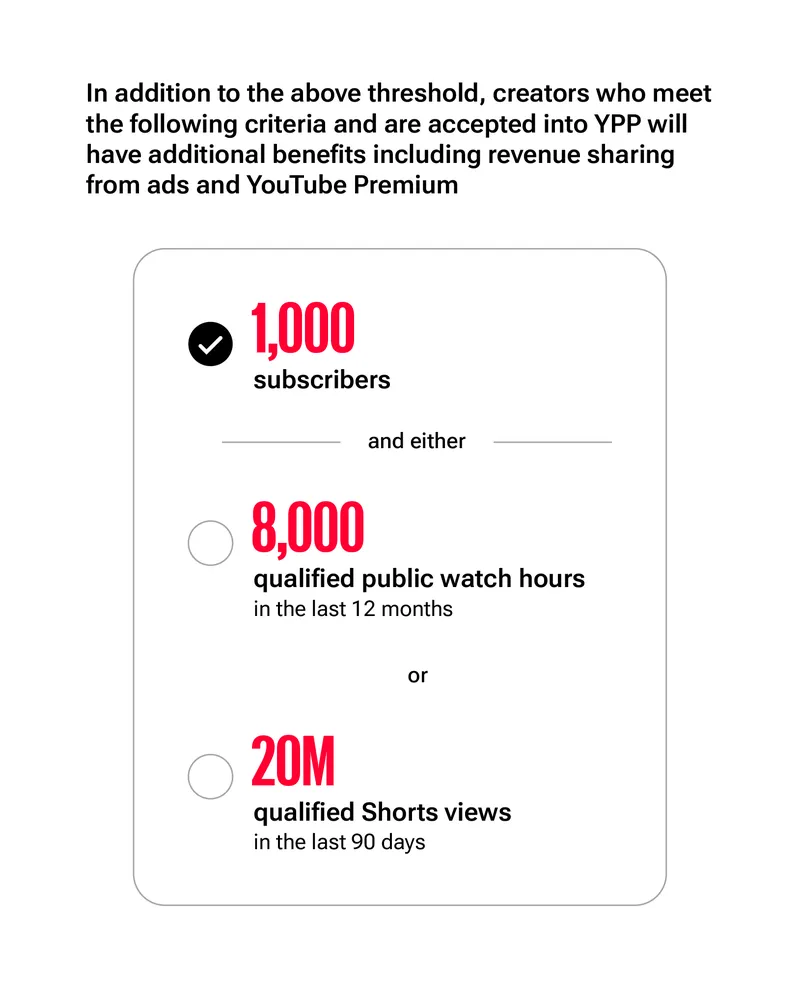
For new creators applying to the YouTube Partner Program, YouTube is raising the monetization entry requirements. Applicants will need either 8,000 qualified watch hours over the past 365 days or 20 million qualified Shorts views over the previous 90 days to qualify for ad and Premium revenue sharing. Existing YPP members will not be affected by these updated thresholds. YouTube says the changes reflect the platform’s rapid growth, which now generates more than 200 billion daily Shorts views and over one billion hours of television watch time every day. Creators will be able to review and accept the new terms through YouTube Studio before the changes take effect.