
Fairfax, VA — Everyone is talking about IT, AI, and data center expansion in Nepal like it is the ultimate golden ticket, but few are pausing to examine the severe ecological costs hidden beneath the promise. While data infrastructure can undoubtedly attract investments and high-tech jobs, ignoring the environmental consequences of building heavy server farms is a dangerous oversight. We cannot look only at economic promises without measuring the environmental price tag. We must stop and ask a fundamental question: what does this digital rush mean for Nepal’s fragile ecosystem?
We do not have to look far to see the consequences of rapid data center development—Northern Virginia in the United States, the data center capital of the world, offers a stark warning. The region’s hundreds of facilities consume millions of gallons of water daily for cooling, severely straining local public supplies, while their relentless power demands forced utilities to delay clean-energy goals and rely on massive diesel backup generators. For a nation like Nepal, where urban centers like Kathmandu already face severe seasonal water scarcity and the power grid is not yet capacity-ready to support hyperscale infrastructure without risking domestic loadshedding or dirty energy imports, copying this heavy industrial model is a direct path to ecological collapse.
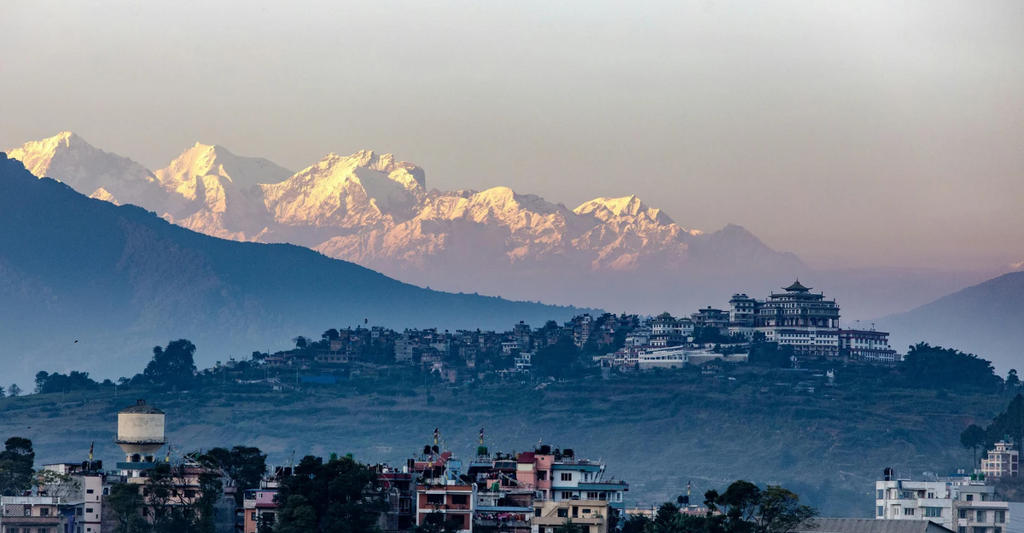
Furthermore, Nepal’s compact geography and delicate Himalayan topography are uniquely ill-suited for heavy industrial server farms and massive electrical substations. Clearing land and pouring concrete for massive server farms increases dangerous stormwater runoff, elevates localized ambient temperatures, and generates complex toxic e-waste that local management systems cannot safely handle. Pursuing short-term economic trends simply because ‘AI’ sounds impressive in headlines ignores our country’s physical limitations and long-term environmental sustainability.

Instead of chasing land-intensive server farms, Nepal needs to think outside the box and pivot toward high-value, light-footprint tech strategies. We should focus on exporting human capital—investing heavily in local software engineering, AI talent, machine learning research, and cybersecurity services that generate massive economic returns without consuming millions of gallons of water or overloading our electrical grid. Any data infrastructure built in Nepal should remain strictly eco-niche, air-cooled, and edge-scale to serve sovereign national needs, ensuring our digital strategy honors and protects Nepal’s land, water, and natural heritage.